

Government confirms three new unitary councils for Oxfordshire and West Berkshire in 2028
The government has today (16 July) announced that Oxfordshire and West Berkshire’s seven existing councils will be replaced by three unitary councils from 1 April 2028 as part of its plans for local government reorganisation (LGR).
The new councils will be:
- Greater Oxford Council – covering Oxford and its immediate surroundings.
- Northern Oxfordshire Council – covering most of the existing Cherwell and West Oxfordshire districts.
- Ridgeway Council – covering most of the existing South Oxfordshire and Vale of White Horse districts, combined with West Berkshire.
Three proposals were presented to government in November 2025 by Oxfordshire and West Berkshire councils – a single county unitary, two unitary councils and three unitary councils.
These councils have been working together since the start of the year to plan and prepare for the future of council services, regardless of which option the government chose. This work has also been focused on ensuring services continue without disruption for residents.
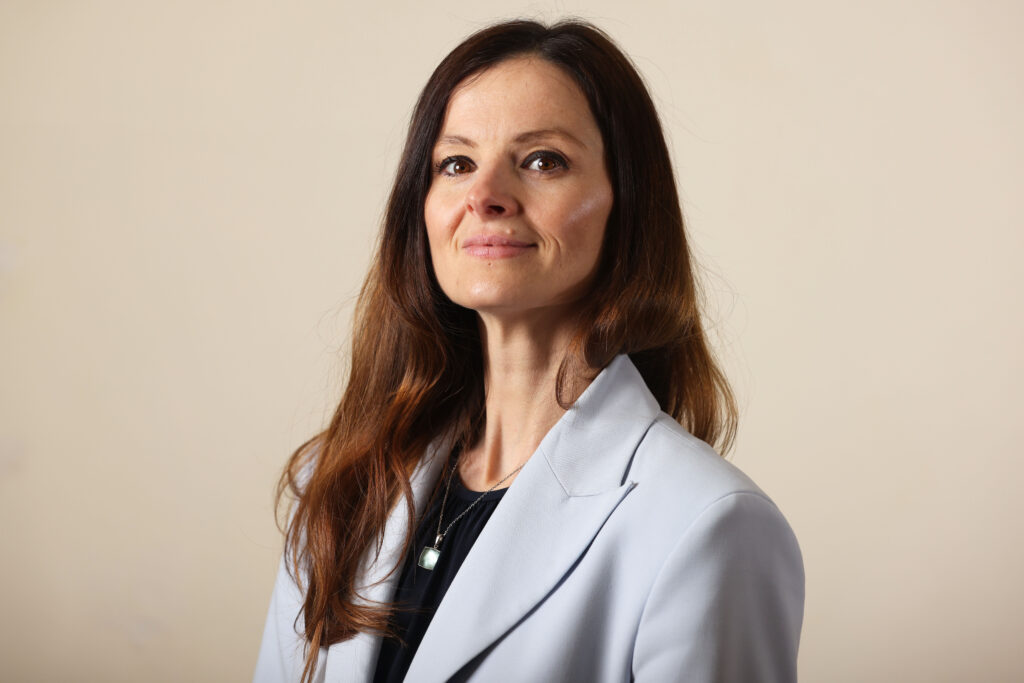
Cllr Maggie Filipova-Rivers, Leader of South Oxfordshire District Council, said: “Today’s announcement by the Government to proceed with a three-unitary model for Oxfordshire is deeply disappointing.
“South Oxfordshire has consistently argued that a two-unitary model would provide the strongest foundation for the future of local government across the county. It would have delivered clearer accountability, reduced duplication, greater financial resilience and better value for residents.
“While we acknowledge the Government has made its decision, we remain concerned that the chosen model will not achieve the aims that local government reorganisation was intended to deliver. At a time when councils face significant financial pressures, creating three new authorities risks additional complexity, duplicated costs and reduced economies of scale, resources that should instead be directed towards protecting frontline services.
“We are particularly disappointed that the Government has chosen to disregard its own published assessment criteria. Throughout this process, we engaged constructively and presented a robust, evidence-based proposal. We believe our submission better reflected the Government’s stated objectives and the long-term interests of Oxfordshire’s and West Berkshire residents.
“We are especially concerned for those rural communities that will now be brought into a unitary authority dominated by Oxford City. This will impact over 21,000 residents across some twenty-five villages including Berinsfield, Garsington, Horspath, Sandford-on-Thames, Stadhampton and Wheatley to name a few.
“Many residents expressed clear concerns during this process about maintaining the distinct identity of South Oxfordshire’s villages, protecting the Green Belt and countryside, and ensuring that decisions affecting rural communities are not overshadowed by the priorities of a large urban centre. Those concerns remain valid and deserve to be heard.
“Reorganisation alone is not a solution to the financial challenges facing local government. If these new councils are to succeed, the Government must provide adequate transitional funding and establish a fair, sustainable funding system that enables councils to protect the services residents rely upon.
“I also want to reassure our staff, who will understandably have questions about what this decision means for them. Your professionalism, dedication and local knowledge are among this council’s greatest strengths. We will continue to support you throughout this process, communicate openly and ensure you are treated fairly and with respect.
“Although the Government has made its decision, our commitment to South Oxfordshire has not changed. Ultimately, our top priority remains to make sure we continue to deliver high-quality services to the people we serve for a smooth transition and beyond. We will continue to work closely, collaboratively and constructively with all the other councils involved to ensure we achieve the best possible outcomes for our communities under these circumstances.
“At the same time, we will continue to stand up for South Oxfordshire’s communities, champion the interests of our towns and villages, and ensure that local voices remain central to the decisions that will shape our county for decades to come.”
The government ran a statutory consultation in February 2026 on the options with local stakeholders, residents and businesses invited to have their say. The government will publish the results of the consultation on its website soon.
Over the next two years, the existing councils will continue working together to prepare for the new arrangements, keeping people informed as plans develop ahead of April 2028.
The full details of the three-unitary proposal can be found on 3councils.org
ENDS
Notes to editors:
List of South Oxfordshire parishes that would become part of Greater Oxford under the reorganisation:
- Beckley and Stowood
- Berinsfield
- Clifton Hampden
- Cuddesdon and Denton
- Culham
- Dorchester
- Drayton St. Leonard
- Elsfield
- Forest Hill with Shotover
- Garsington
- Great Milton
- Holton
- Horspath
- Little Milton
- Marsh Baldon
- Nuneham Courtenay
- Sandford-on-Thames
- Stadhampton
- Stanton St. John
- Toot Baldon
- Warborough
- Waterperry with Thomley
- Waterstock
- Wheatley
- Woodeaton
The government has set out guidance on how the transition should progress. You can read the official decision on the government website.
Expected timeline
- Proposals submitted: 27 November 2025
- Public consultation: 5 February 2026 – 26 March 2026
- Government’s “minded-to” decision: 16 July 2026
The minded to decision is the government’s preferred, provisional decision before it’s put into law through a structural changes order (SCO).
- Structural changes order (SCO): Expected Autumn 2026.
An SCO is legislation that will officially end the existing two-tier county and district councils in Oxfordshire. We expect the legislation to be laid and agreed at this point but it won’t come fully into effect until vesting day.
- Elections: May 2027.
After the elections shadow authorities will be created to plan the new councils, but they will not deliver services. It will focus on preparing for the future council.
- Transition period: Expected late 2026 – March 2028.
- Vesting day: New council begins 1 April 2028.
The official go-live date when the new council takes over and legal powers, responsibilities and ownership transfers from the previous councils to the new one.


