

Council cabinet to discuss progress report on net zero
Published 14 October 2025
By installing solar panels on its buildings and replacing petrol and diesel vehicles with EVs, South Oxfordshire District Council is moving towards its ambitious target of net zero in its own operations by the end of the decade.
In addition, the South Oxfordshire district as whole has seen a reduction in carbon emissions year on year for two years in a row. In 2023, greenhouse gas emissions in South Oxfordshire fell by 5.1 per cent compared to the previous year, which itself had seen a 4.2 per cent drop compared with the year before that.
The council’s cabinet will meet on 16 October to discuss a new climate report on the council’s progress and will hear that there are issues outside the council’s control which are likely to inhibit its path to net zero.
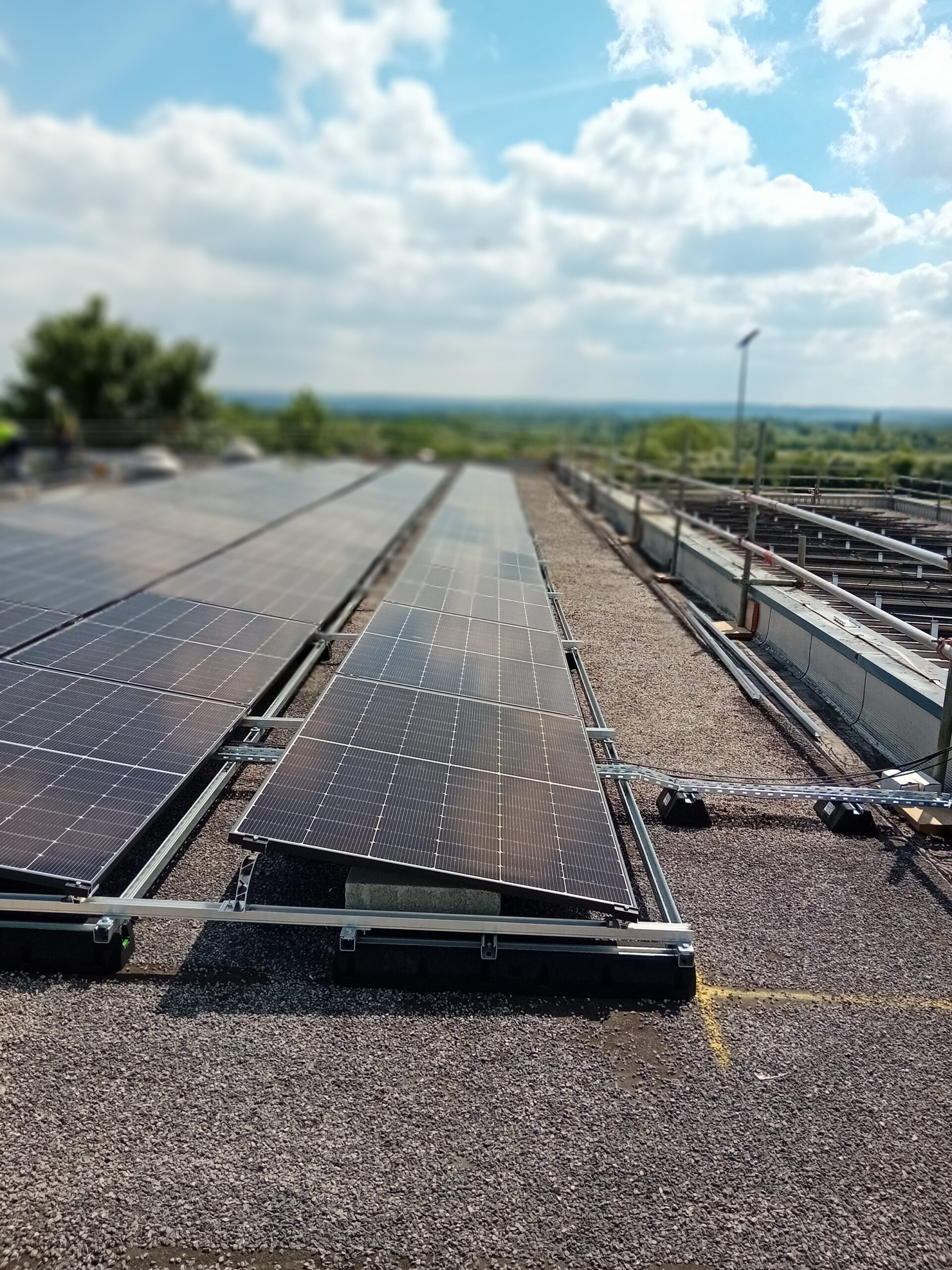
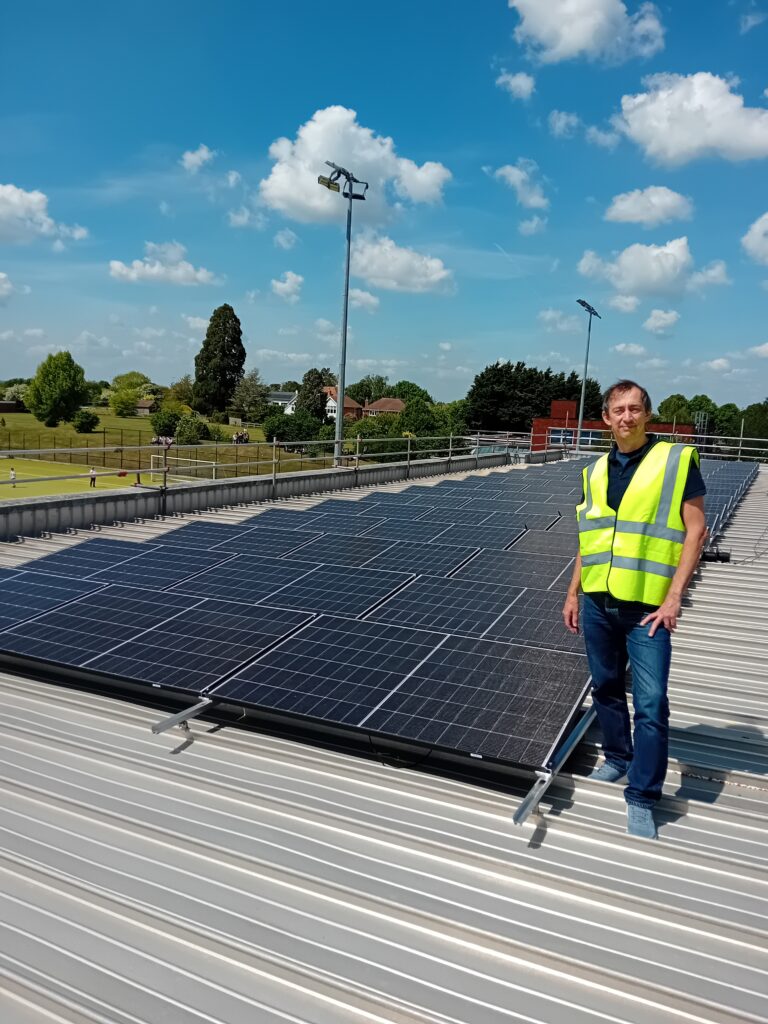
To date the council has reduced its carbon emissions by 14 per cent since 2019/20 and by 49 per cent since 2009/10 (when Greenhouse Gas reporting began). This summer solar panels were installed on the roof of Thame Leisure Centre which have been producing renewable clean energy for the site ever since. In addition, decarbonisation projects (including solar panels, air source heat pumps and insulation) are in progress for Didcot Wave, Park Sports Centre, Abbey Sports Centre, Henley Leisure Centre and Cornerstone Arts Centre.
Nearly 90 per cent of the council’s carbon emissions are from waste collection vehicles and leisure centres (waste 57 per cent, leisure 32 per cent). While the council has moved forward with its plans to reduce its carbon emissions at some, but not all, of its leisure sites, major factors beyond the council’s remit are likely to prevent the council meeting its 2030 net zero target.
Where the council has been able to make positive changes, it has invested in low carbon electric vehicles such as the smaller food waste truck and vans for some of its teams. It is estimated that one of the smaller vans (EVs) used by the parks team, which replaced a petrol vehicle, saved 475.25kg of carbon dioxide equivalent in the first two months of use.
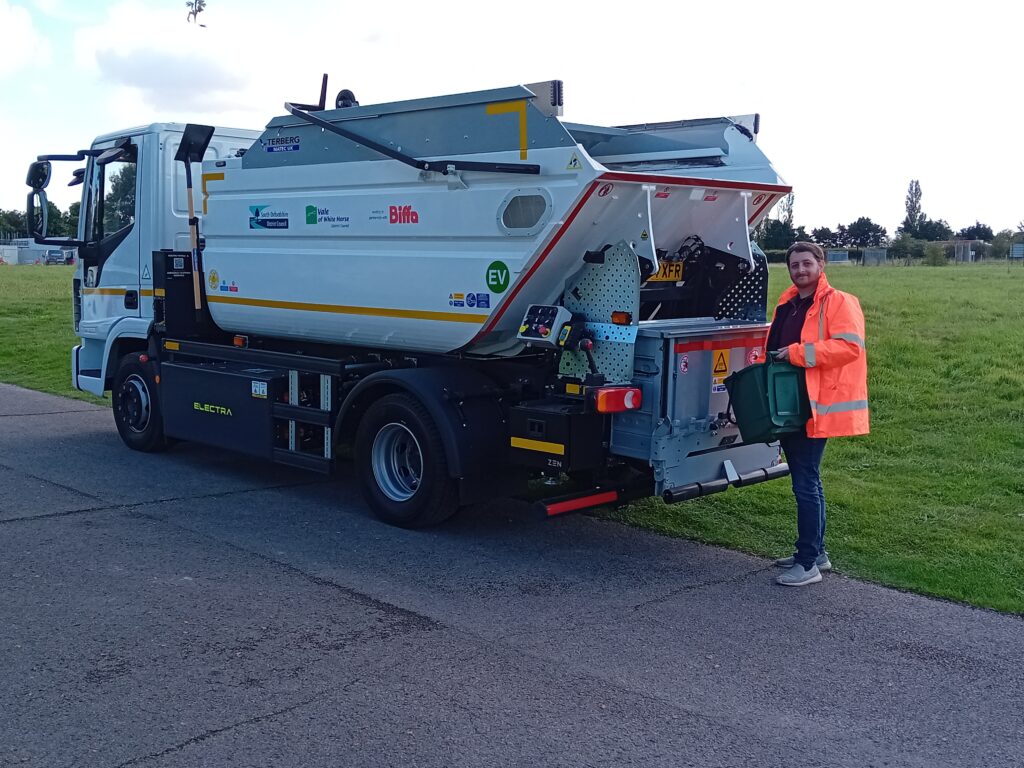
However, there is a lack of low carbon waste vehicles available to the council that can cope with South Oxfordshire’s long rural routes.
Another hurdle is the forthcoming Local Government Reorganisation (LGR), first proposed by the Government last year aiming to replace the existing two-tier council system in areas like Oxfordshire with unitary authorities. Decisions to invest in decarbonisation works on more council buildings are likely to be postponed until the LGR is complete.
The report concludes that it is “intended to give an accurate picture of the council’s current path to net zero. We continue to progress in certain areas where we have already secured funding to decarbonise some of our buildings. However, the forthcoming LGR and the issues surrounding the electrification of the waste fleet mean there are limited opportunities to increase the pace of the decarbonisation works required to meet our 2030 targets.”
Cllr Sam James-Lawrie, South Oxfordshire Cabinet District Council member for Environment, said: “This report has highlighted the good work that has been achieved but is also realistic about the challenges we face. Local Government Reorganisation will restrict longer term investment in decarbonisation projects. Added to that we live in a beautiful but rural setting which is not yet compatible with low carbon waste collection.
“We were always ambitious in setting our net zero target, but aiming high has netted results with planned work to our buildings meaning they are likely to produce many fewer carbon emissions in the future. Moving forward the council will continue to look for new and emerging technology to achieve our goal.”
The council’s Nature and Climate Action Plan outlines the search for opportunities to increase the rate of decarbonisation in the district, including by working with partnership organisations.
Ends
Notes to editors
- The Net Zero report for South was published as part of the agenda for the Cabinet meeting on 16 October.
- The work at Thame Leisure Centre was completed this summer thanks to a grant from the Swimming Pool Support Fund. The work planned for Park Sports Centre, Didcot Wave, Abbey Sports Centre and Henley Leisure Centre and Cornerstone Arts Centre is with help from the Government Public Sector Decarbonisation Scheme (PSDS).


