

South Oxfordshire sets out people-first budget with new investment in communities, services and local places
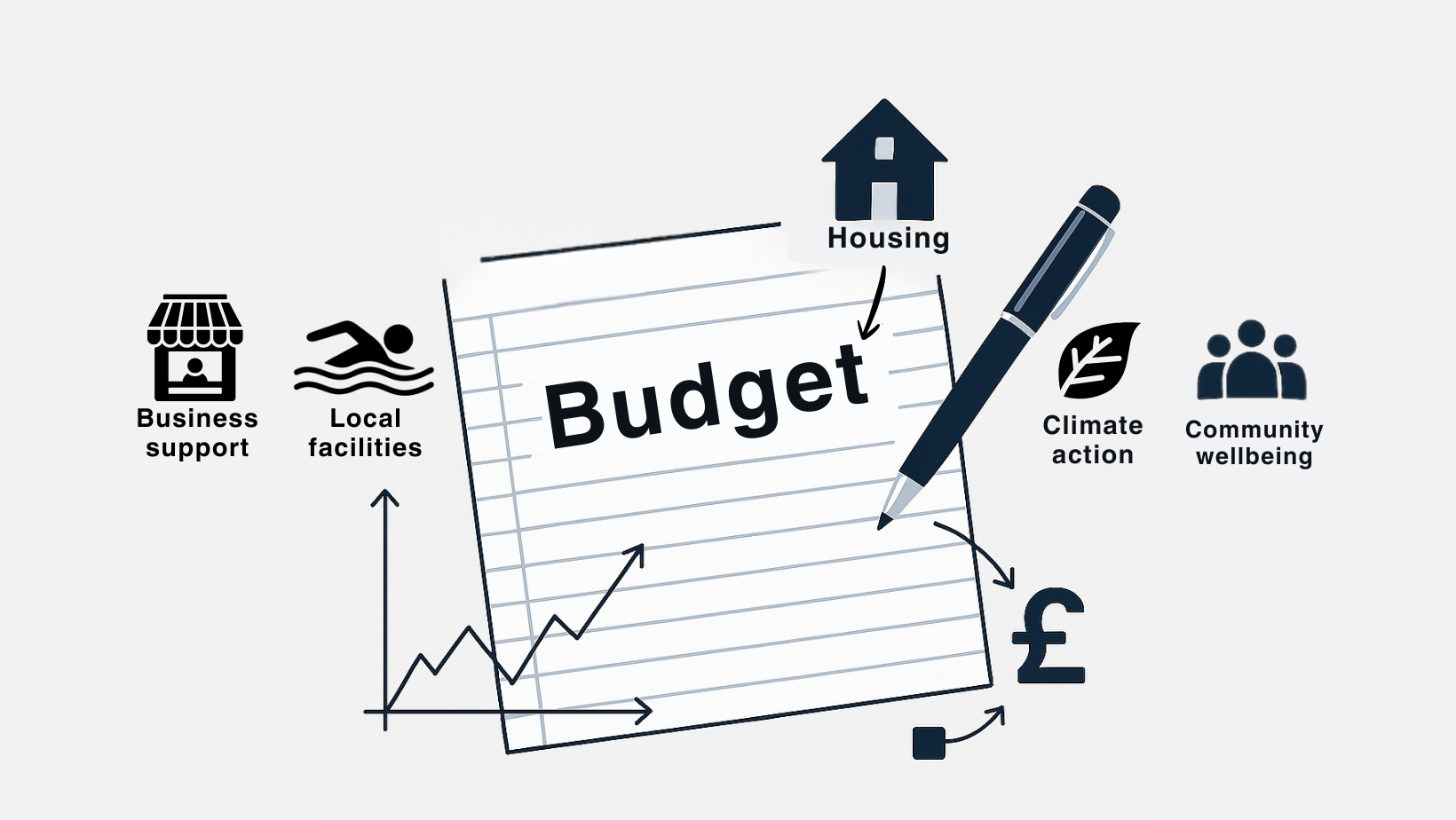
South Oxfordshire District Council has approved a £19.4 million budget for 2026/27, setting out plans to protect local services, invest in community facilities, provide affordable homes and manage public money carefully.
Agreed at the council’s meeting on 12 February, the budget focuses on practical improvements, from leisure centres and public toilets to flood protection, support for communities and help for local businesses, while keeping the council on a secure financial footing.
Councillor Pieter-Paul Barker, Cabinet Member for Finance and Property Assets, said: “This is a practical, people-first budget that backs our communities, protects the services residents rely on every day and sets out a capital programme of over £100 million, including investment in community infrastructure that South Oxfordshire so badly needs.”

The approved 2026/27 budget includes funding for numerous projects at leisure centres, including for decarbonisation projects to reduce emissions and save energy.
There is a significant commitment to investment in housing, which now totals £25 million*, both for homelessness emergency accommodation and for those most in need on the housing register, in addition to financial support for community-led housing projects.
New ongoing funding has been agreed to support community cohesion, backing local projects that bring people together, reduce isolation and help strengthen community ties, particularly for vulnerable and marginalised residents. This is in addition to the council’s Community Hub, which will continue to help residents with housing issues, cost‑of‑living pressures and access to advice and support when they need it most.
There is a record amount of grant funding at over £2 million^, including £590,000 for community grants and £750,000 for infrastructure grants. This funding will help to deliver community-led projects such as village hall upgrades, improved facilities, energy efficiency projects and improvements to public spaces.
The district council continues to invest in climate action in a way that delivers real local benefits. A new £100,000 Climate Action Fund will accept bids for nature recovery and climate adaptation including flood alleviation and access to nature for local residents, while the council will continue to make its own buildings and facilities more efficient, helping to lower long-term running costs while tackling climate change at the same time.
Well‑used public toilets in Goring and Dorchester will be refurbished to tackle vandalism, improve security and bring facilities up to a modern standard, while funding for the Wheatley flood alleviation scheme will help to protect at-risk homes and businesses.
Funding has been agreed to continue the council’s economic development work, helping businesses to start up, expand and adapt, supporting high streets, rural employers and the local economy more widely.
Residents will pay an average £156.24 for services provided by the district council for 2026/27, just £3 per week, with its share of the council tax increasing by £5 a year for a typical Band D household. This small increase helps to protect frontline services and fund investment in local facilities, while ensuring the district’s council tax remains one of the lowest in the country.
Councillor Barker added: “At its heart, this budget is about backing our communities – keeping leisure centres and public toilets fit for local needs, helping protect homes from flooding, supporting community projects and ensuring help is there for people who need it. These are not abstract figures, but practical investments that make a real difference to everyday life across South Oxfordshire.
“We are determined to look after every pound of taxpayers’ money, especially with local government reorganisation on the horizon. This budget has been set responsibly, based on clear priorities and realistic planning, so that whatever changes lie ahead, South Oxfordshire remains financially strong.”
To view the approved 2026-27 Vale of White Horse District Council budget, visit the 12 February 2026 Council meeting agenda page.
Notes for editors:
Council services are funded from a mix of council tax, government funding, business rates and income the council earns from its own assets and investments. South Oxfordshire also makes use of interest earned on its investments to support day-to-day services, helping reduce pressure on residents while keeping the council financially secure. This balanced approach means the council can continue funding local services and improvements while managing its finances carefully and planning ahead during the uncertainty of local government reorganisation.
^ includes existing funding already as well as new funding
* cumulative investment committed to date


