

Street Cleaning
- We sweep streets across the district at different frequencies, depending on the type of road and where it’s located.
- We work to the Code of Practice schedules which are below.
- Street cleaning with a sweeper vehicle can’t be undertaken the morning after cold weather road gritting.
- To determine how often a street should be cleaned, we assess each one based on two factors:
- How heavily it is used
- The amount of litter and debris present
Intensity of use
| High intensity of use | Medium intensity of use | Low intensity of use |
| Areas which, through intense pedestrian or vehicular movements, or both, are prone to fluctuations in litter and refuse and require both high levels of monitoring and frequent cleansing. | Areas affected by moderate levels of pedestrian and vehicular activity and therefore less prone to fluctuations in litter and refuse, usually situated outside centres of retail or commercial activity, but used regularly by the public. | Areas subject to low or infrequent levels of pedestrian and vehicular activity and therefore less prone to fluctuations in litter and refuse. They are often located in more rural areas. |
Levels of litter and detritus
| Litter | Detritus | |
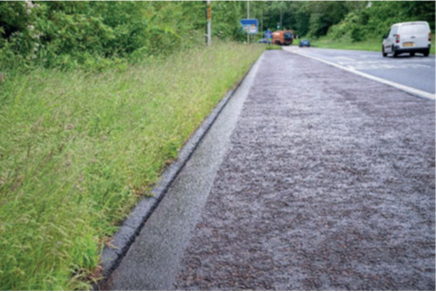
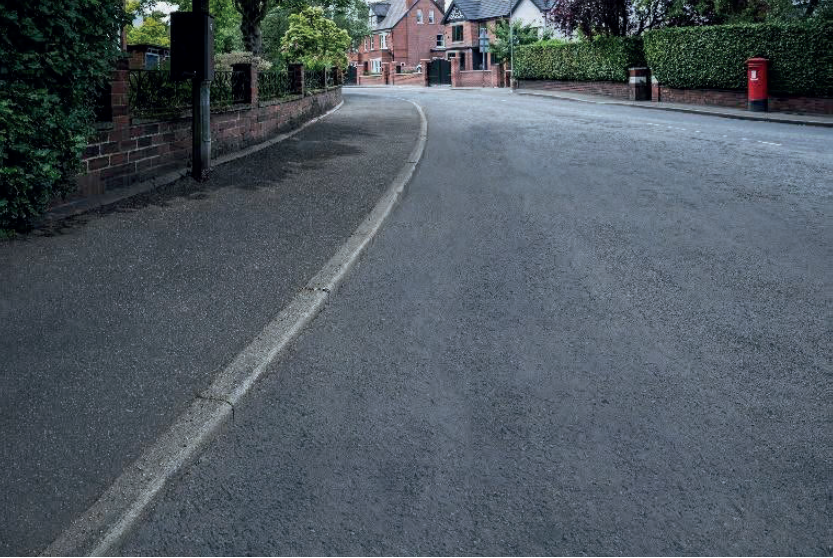
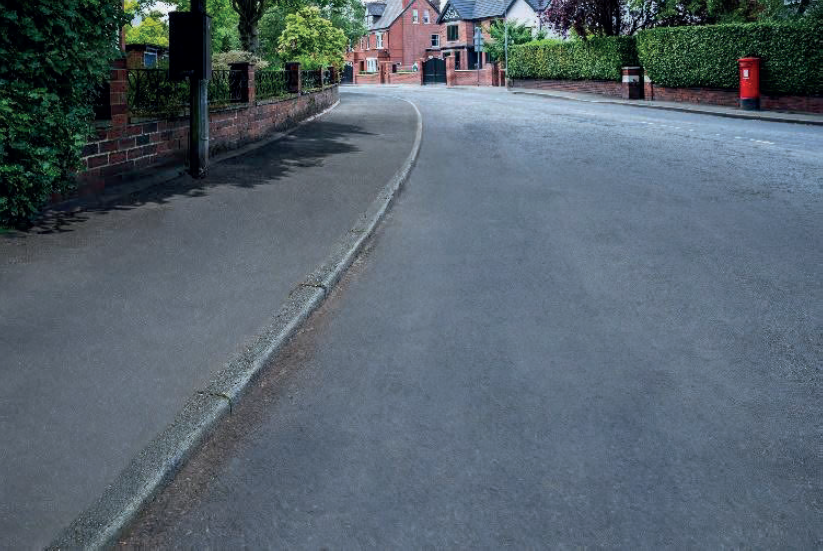
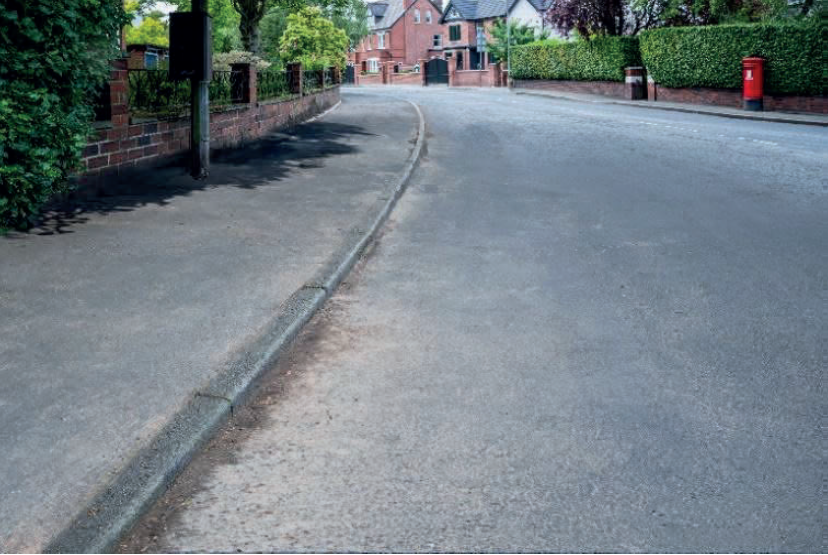
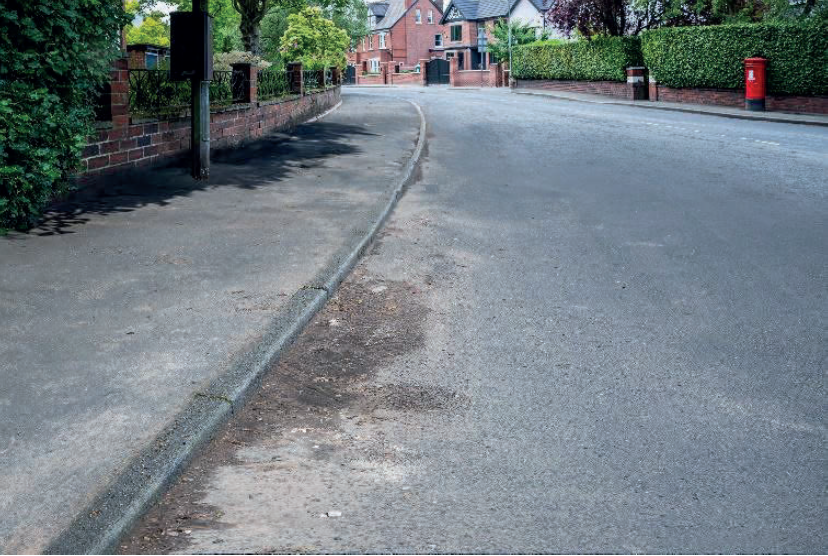
| Grade A | No litter or refuse | No detritus |
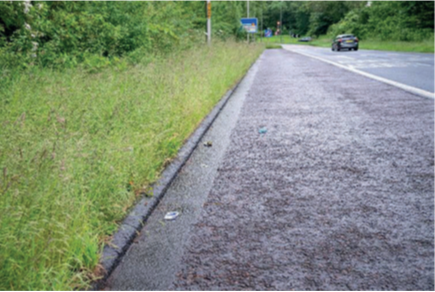
| Grade B | Predominately free of litter and refuse apart from some small items | Predominately free of detritus except for some light scattering |
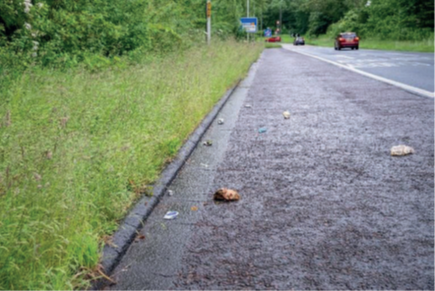
| Grade C | Widespread distribution of litter and/or refuse with minor accumulations | Widespread distribution of detritus with minor accumulations |
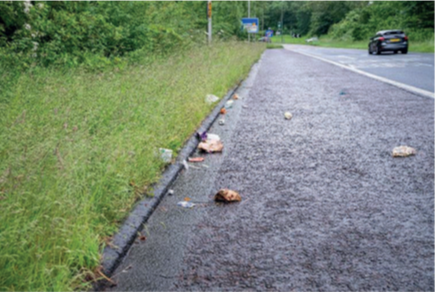
| Grade D | Heavily affected by litter and/or refuse with significant accumulations | Heavily affected by detritus with significant accumulation |
Grading Photos: Litter and refuse on a major road
Grading Photos: Detritus on an urban road
Maximum response time to restore to a grade A standard (if fallen below Grade B)
| High intensity of use | Medium intensity of use | Low intensity of use |
| Half a day (this means by 6pm if reported before 1pm, or by 1pm the next day if reported between 1pm and 6pm on the previous day) | 1 day (this means by 6pm the following evening) | 14 days |
Contact us - Biffa

01235 422123
(Text phone users add 18001 before dialling)


c/o South Oxfordshire District Council
Abbey House
Abbey Close
Abingdon
OX14 3JE


