

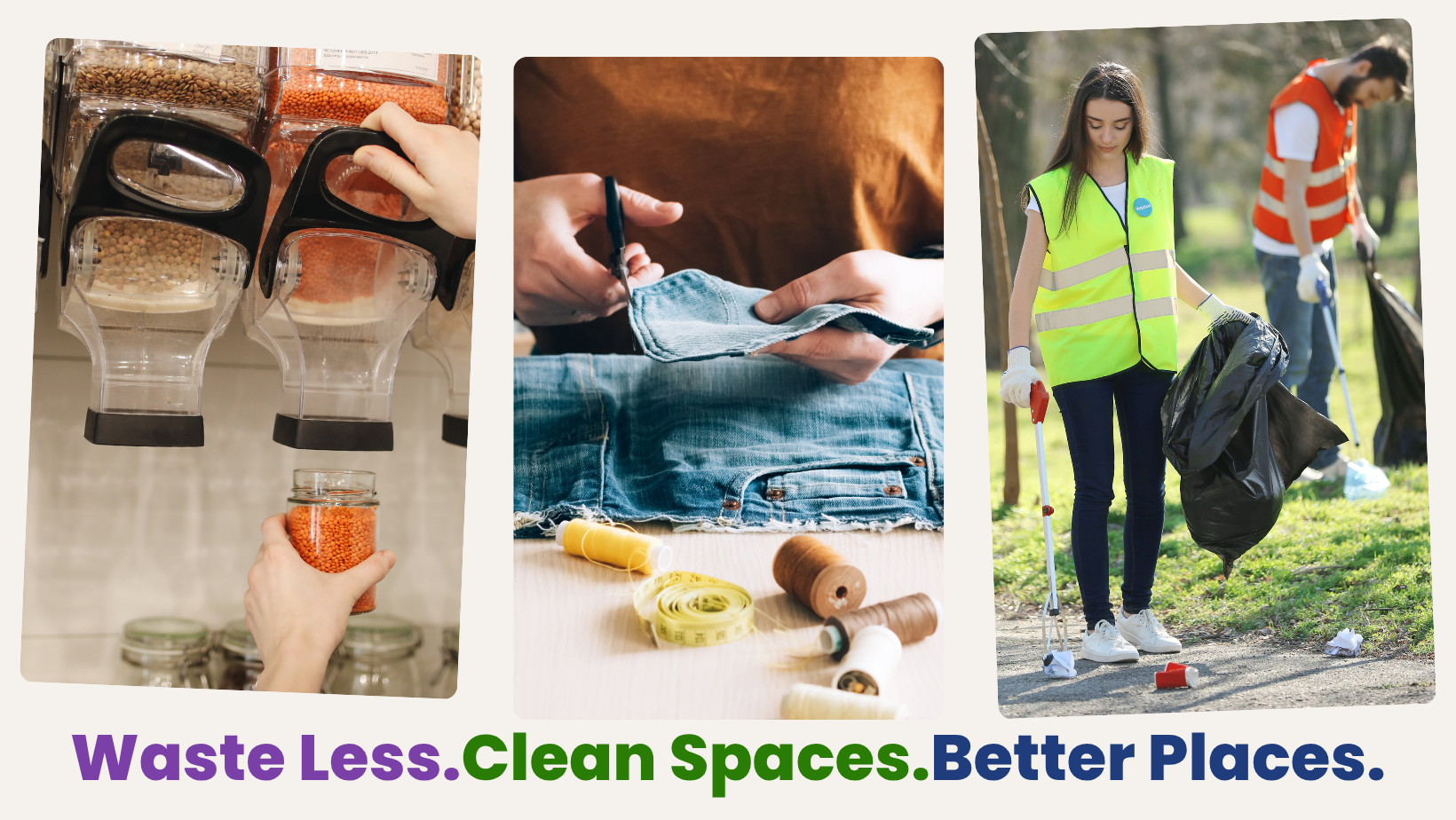
Waste Less. Clean Spaces. Better Places – Week Five: Keep It Going
September may be coming to an end, but the small everyday changes don’t have to stop. Over the past month, we’ve shared simple ways to reduce waste, recycle correctly, and protect the public places we share.
You don’t need to do everything—when thousands of us make just one small swap, those actions add up to a huge impact.
What We’ve Covered
- Waste Less: Buy only what you need, use up food, repair items, and borrow instead of buying new.
- Recycle Right: Take a moment to check where items belong so the right materials get recycled.
- Clean Spaces: Take litter home when bins are full, leave picnic spots tidy, and care for local streets and parks.
Simple Swaps for Your Routine
- Check your fridge before grocery shopping.
- Eat leftovers for tomorrow’s lunch.
- Carry a reusable water bottle.
- Repair items before replacing them.
- Borrow equipment you only need occasionally.
- Double-check recycling guidelines before binning.
- Pick up after yourself in shared spaces.
Small shifts naturally turn into lasting habits. Whether you’ve started wasting less food, reusing more, or keeping your community clean—keep it going.
What simple swaps will you stick with? Even making just one small change can make a big difference.
Waste Less. Clean Spaces. Better Places – Week Four: Clean Spaces
Could you help keep our communities clean?
Keeping our streets, parks and public spaces clean is something we can all help with. One small action can make a difference – whether that’s picking up a piece of litter, using a bin or joining a local litter-picking group.
Our dedicated street-cleaning team work incredibly hard but cannot be everywhere all at once. So, if you spot a piece of litter while you’re out and about, why not take a couple of seconds to pick it up and put it in a bin? It’s a simple way to help keep our communities looking their best and protect local wildlife.
Never leave rubbish next to an overflowing bin. It can easily blow away and become litter. If you find a full public bin, please report it so it can be dealt with.
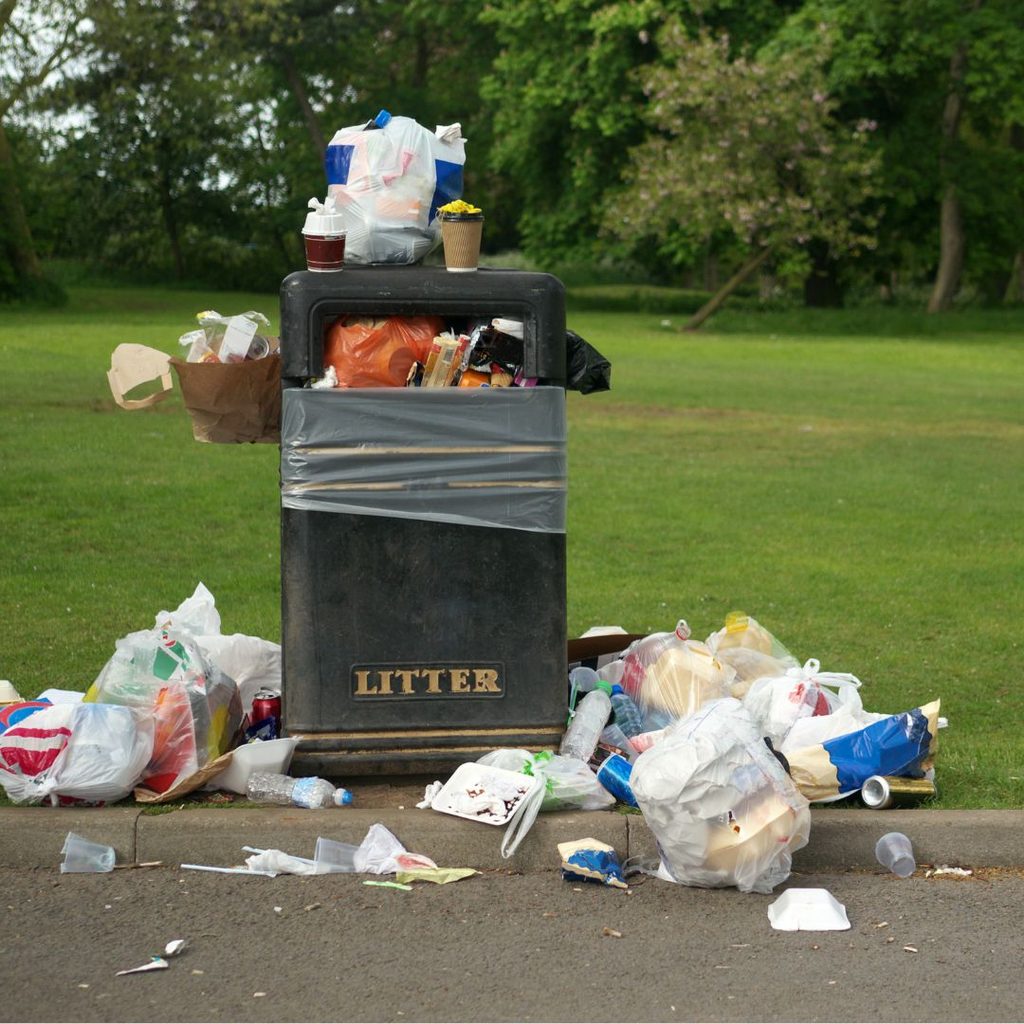
Want to do more? Why not join a local litter-picking group. It’s a great way to meet people, get some exercise and make a visible difference to your neighbourhood.
Take the Clean Spaces challenge
Next time you’re out, pick up one piece of litter and put it in a bin. That’s it! It takes seconds, but together our small actions can make a big difference.
To find out more about how we work to keep the district clean, visit our Street Cleaning and Litter Bins section.
Week Three: Recycle Week – Don’t Guess. Check it before you chuck it.
It’s Recycle Week (14–20 September), and we’re asking everyone to make one simple change: Don’t Guess. Check it before you chuck it.
Most recycling mistakes happen because people are trying to do the right thing but aren’t sure whether an item can be recycled. Taking a few seconds to check can help reduce contamination and make sure more of the right materials are recycled.
For example, not all plastic items can be recycled in the same way. If you’re unsure, please check the the Oxfordshire Waste Wizard before putting something in your recycling bin.
Sometimes, recycling mistakes can even be dangerous! It’s incredibly important to keep vapes, batteries and small electrical items out of all your bins, they are a serious fire risk for crews, vehicles and recycling facilities.
- Batteries should go in a clear tied bag on top of your recycling bin or take them to your nearest supermarket disposal point.
- Vapes and small electricals containing batteries (such as phones, electric toothbrushes, children’s toys) go in a tied carrier bag next to your black non-recyclable waste bin. Vapes can also be returned to the point of purchase for recycling.
Recycle them separately at a suitable collection point.
Take the Recycle Week challenge
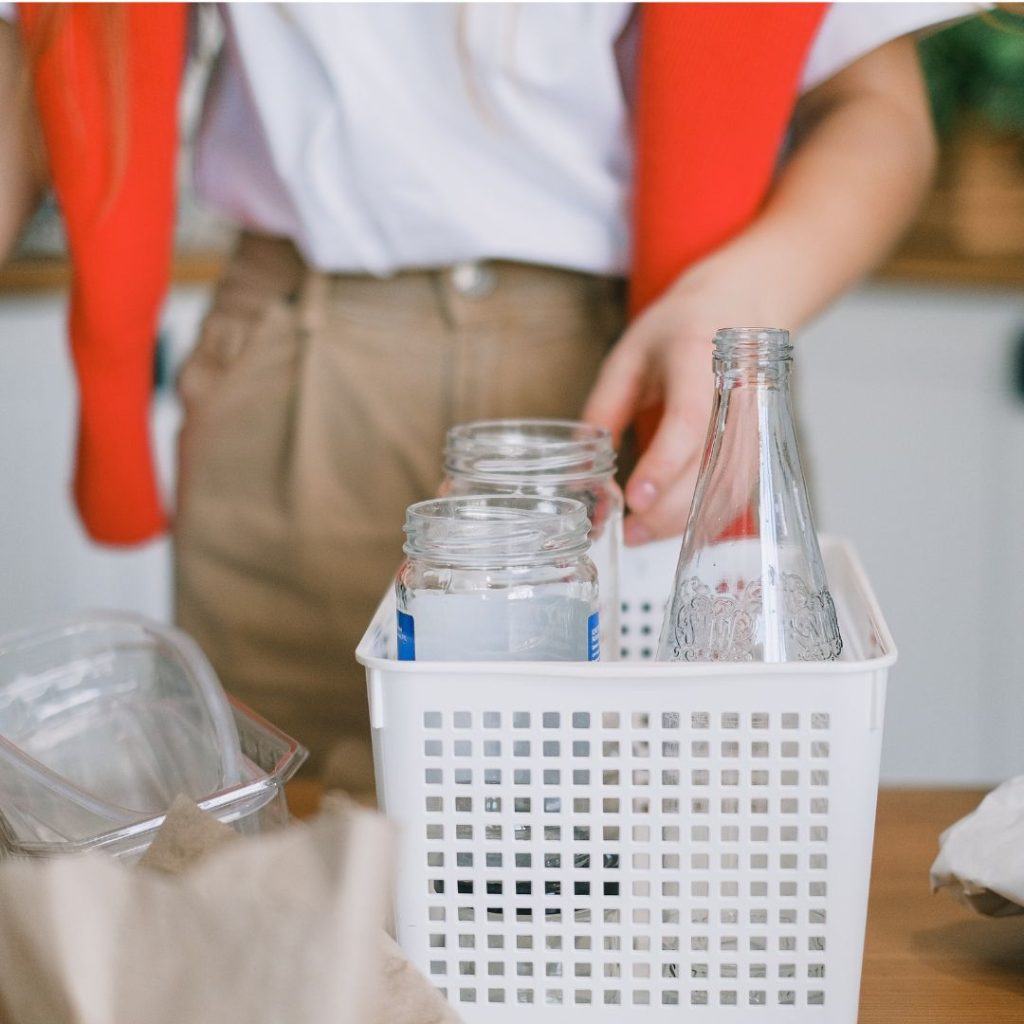
Have a look round your home and see what items are lying around that could be recycled, such as empty loo rolls, yoghurt pots, jars, sprays and bottles. How many can you find?
Then Check it Before you Chuck it to make sure it goes in the right bin.
Week Two: Zero Waste Week – could you prevent just one item becoming waste?
Most of us think about waste when we’re standing next to the bin. But by then, it’s already too late.
Zero Waste Week (7–11 September) is a chance to think about waste a little earlier – before we buy, replace or throw something away.
Small decisions can make a big difference. Planning meals before you shop can help prevent food waste. Repairing a broken toy can keep it in use for longer. Borrowing something you only need occasionally means you don’t have to buy it at all.
These choices can help reduce waste, save natural resources and save you money too.
Could you take the Zero Waste Week challenge?
This Zero Waste Week, try to prevent just one item from becoming waste.
Before you replace or throw something away, ask yourself:
- Could I repair it or reuse it?
- Could someone else use it?
- Could I borrow it instead?
- Could I buy only what I need?

Broken doesn’t always mean finished. Repairing something, donating it or finding someone who can use it can keep it in use for longer – saving waste, resources and money.
You could also explore local refill shops, Libraries of Things and community schemes that make it easier to reduce waste. Why not find one near you and see what’s on offer?
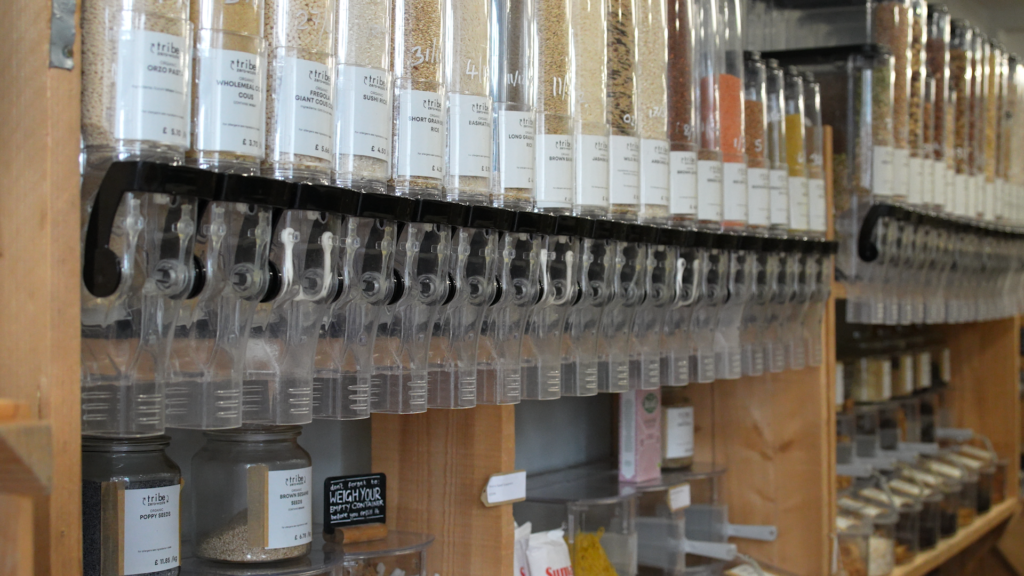
Try one simple swap this week, here’s some ideas:
- swap a plastic bottle for a reusable one,
- use a reusable cloth instead of kitchen roll,
- repair an existing toy instead of buying a new one,
- borrow a drill rather than buying one,
- or turn leftovers into tomorrow’s lunch.

You don’t need to change everything. If every household prevented just one item from becoming waste this week, together we’d make a significant difference.
One small swap can make a difference. What’s your one waste-saving action this Zero Waste Week?
Week One: Small changes that make a big difference
Whether it’s packing school lunches, shopping for the week ahead or clearing out the garage, we all create waste every day.
But what if making less waste was easier than you think?
That’s the idea behind our new Waste Less. Clean Spaces. Better Places campaign.
Over the next month we’ll be sharing practical tips, local ideas and simple swaps to help households across South Oxfordshire and the Vale of White Horse reduce waste, save money and help create cleaner communities.
Why are we launching this campaign?
Small changes really do make a difference.
Most of us want to waste less. We want to save money, recycle more and leave a cleaner environment for our children, however, life is busy and knowing where to start isn’t always easy.
But, when thousands of households each make one small change, together we can make a big difference.
Instead of asking people to make big lifestyle changes, we’re focusing on small actions that can easily become everyday habits.
Things like:
- Shopping with a list to avoid buying too much.
- Using leftovers for tomorrow’s lunch.
- Borrowing something instead of buying it.
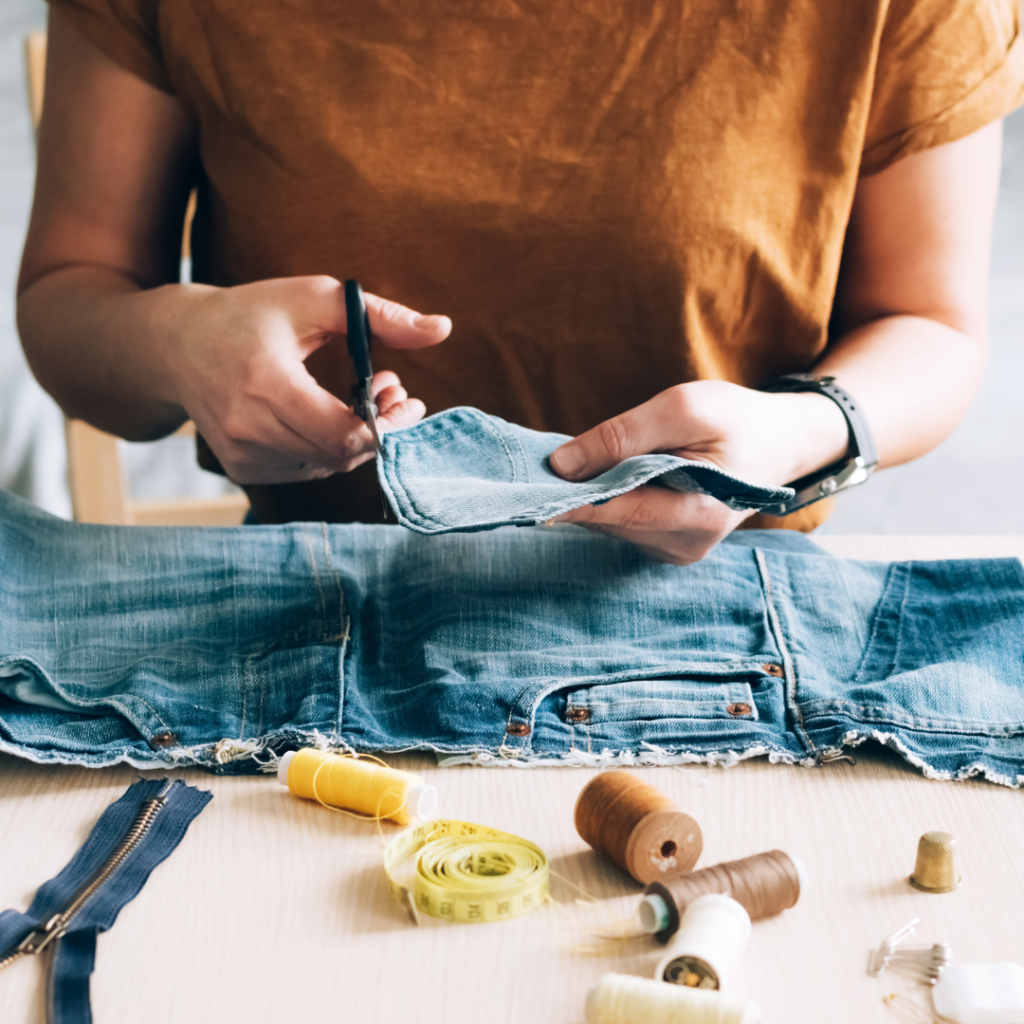
- Repairing an item before replacing it.
- Choosing products with less packaging.
- On their own, these actions might seem small—but when lots of us make them, they can have a real impact.
This week’s challenge
Can you choose just one of these five actions to try this week?
✔ Do a stock check of your kitchen cupboards and freezer and plan meals around the food you already have.
✔ Make a shopping list of what you need, and stick to it without buying anything extra.
✔ Try to choose fruit and veg without packaging.
✔ Fill up a used food or toiletries container at a refill station, saving money and reducing waste.
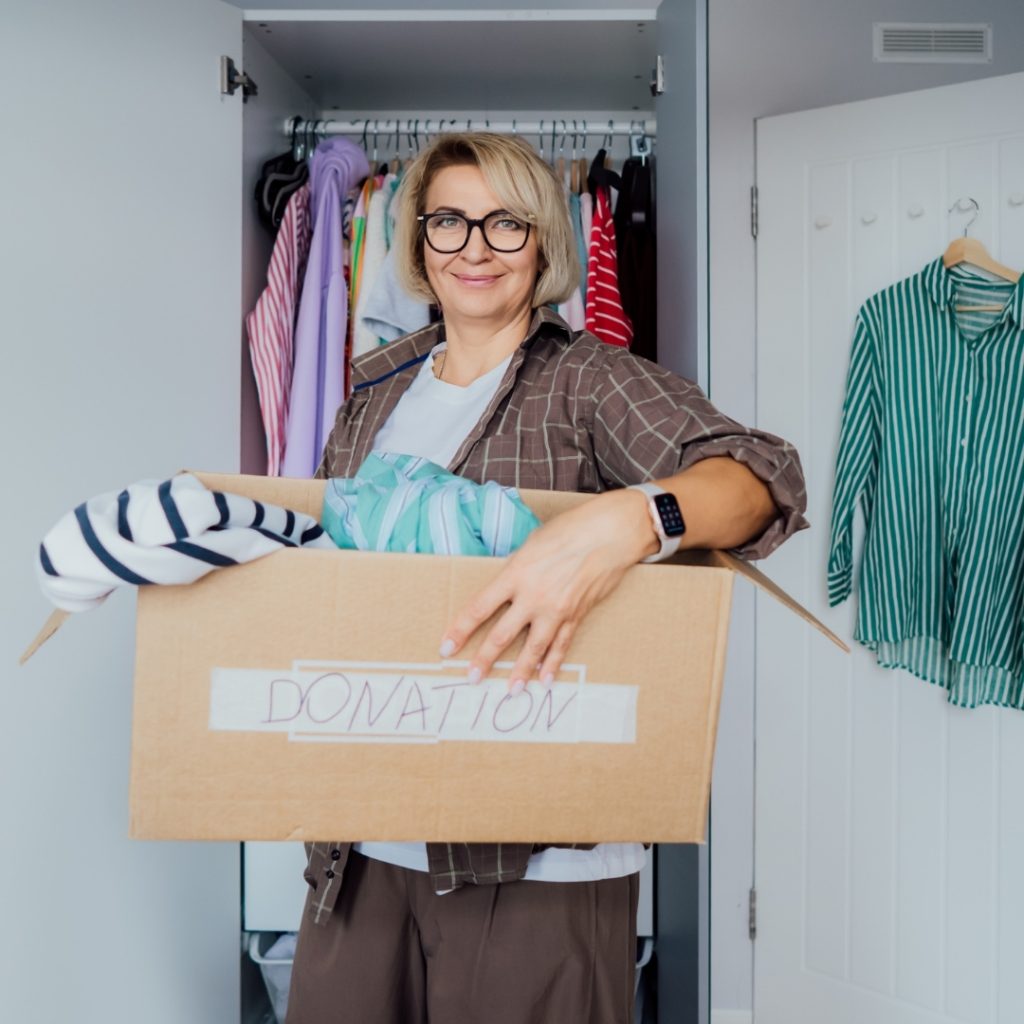
✔ Find an old or unwanted item to repair, donate or share.
Start with one – if it becomes a habit, why not try another next week
Together, we can waste less, create cleaner spaces and build better places for everyone.
To find out more, check our news page – New campaign encourages residents to Waste Less and create Cleaner, Better Places


