

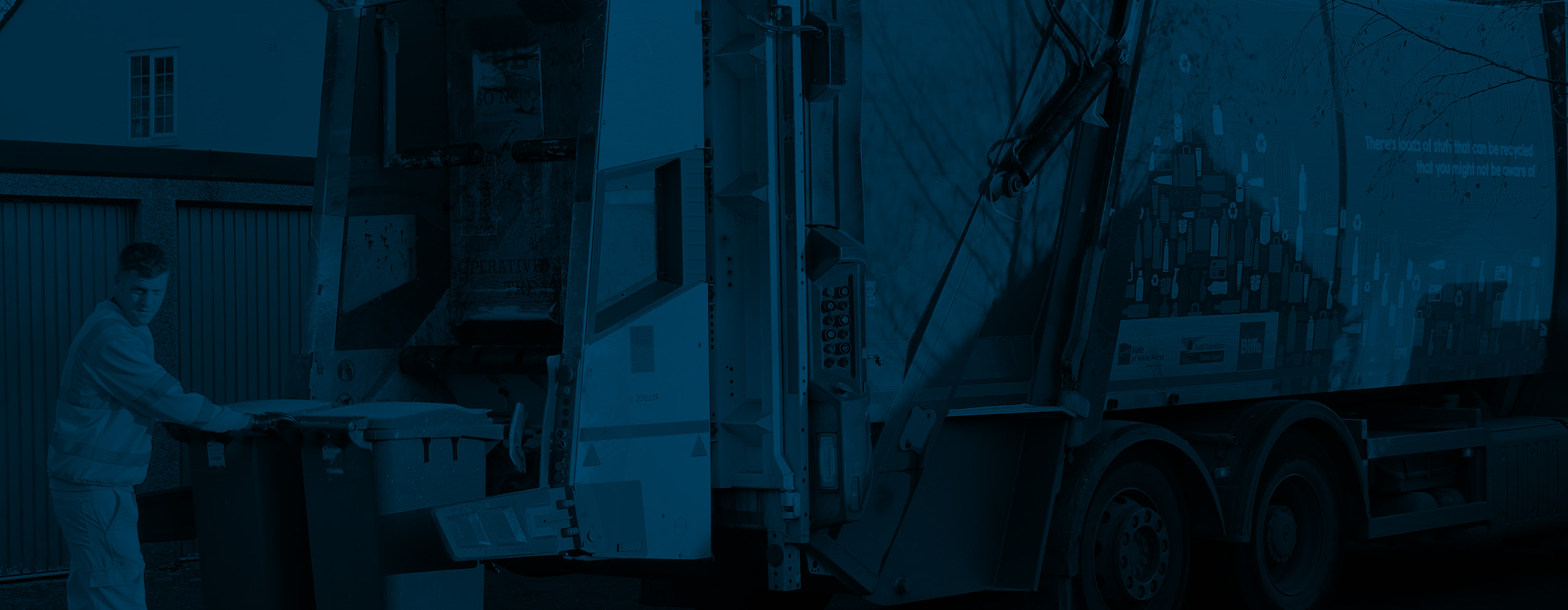
Councils discuss best options for reliable waste fleet
Published Tuesday 24 November 2026
The purchase of more waste collection vehicles – including increasing the number of electric vehicles and contributing to a reduction in the councils’ carbon emissions – are on the table for discussion this week.
Council members at South Oxfordshire and Vale of White Horse District Councils will discuss options for waste and street cleansing vehicles to replace the current older fleet at Cabinet meetings later this week.
The recommended option will see eight more electric vehicles – including two small electric caged tippers and six electric supervisor vans – with the remaining 47 being replaced with ‘HVO-ready’ internal combustion engine vehicles*.
If agreed, this would represent a saving of 47 tonnes of carbon emissions each year and over 329 tonnes over the lifetime of the vehicles.
The councils already successfully run two electric vehicles as part of their joint waste service, with a further two to be delivered in early 2027, – including food waste collection and tipper trucks. This is only possible because these are smaller than the general waste vehicles and have a longer range. If the eight EVs are approved this will bring the councils’ total waste EV fleet to twelve. In addition, there are currently nine EVs used by the councils’ facilities, public conveniences and grounds maintenance teams.
Cllr Sue Cooper, South Oxfordshire District Council Cabinet Member for Environment, said: “Making the switch to electric vehicles is not easy due to the size of our area and the challenges of the lengthy rural waste collection routes, the trucks must complete. However, these options to increase our electric vehicle fleet will continue our progress towards our net zero ambitions, which will be good for our residents and for the environment. I welcome the discussion this week in helping us to get closer to where we need to be.”
Cllr Robert Clegg, Vale of White Horse District Council Cabinet Member for Environmental Services, Climate Action and Nature Recovery, said: “I’m really pleased this report on our waste fleet is up for discussion this week. It would be such good news to secure at least another eight electric vehicles in our waste collection and street cleansing fleet, alongside reliable vehicles that are HVO ready. The electric food waste truck and caged tipper, which have been in service for over 18 months now and covering thousands of miles across the districts, have already been saving carbon emissions with every mile, and providing a reliable service to residents – and we have a guaranteed two more on order arriving in early 2027.
“Ultimately, this decision needs to be carefully balanced around what represents the most reliable option and what we can realistically afford – securing best value for residents.”
The third option to discuss would add a large electric vehicle for waste collections. This option is the most expensive and affords the most risk. It would also represent an additional capital budget of over £200,200 per council. Following two trials, the challenges of operating larger electric vehicles in big rural districts like South and Vale remains unproven with current waste vehicle technology available.
Find out more in the reports to Cabinet:


