

South Oxfordshire marks a major milestone in its climate and nature recovery work
Published 15 October 2026
South Oxfordshire District Council has successfully delivered the first year of its joint Nature and Climate Action Plan (with Vale of White Horse District Council) with its ambitious environmental programmes, help for communities to reduce carbon emissions, restore habitats and prepare for the impacts of climate change.
At meetings last month the council’s cabinet reviewed the performance updates for the first year of joint Nature and Climate Action Plan (2025/26) and approved the plan for the next year.
Through investment in nature recovery, renewable energy, staff training and community partnerships, the council continues to take practical action to reduce carbon emissions, enhance biodiversity and build resilience to climate change.
Highlights
A standout achievement has been South Oxfordshire’s success in supporting nature recovery across the district. Around 35.8 hectares of publicly accessible green space, representing 44 per cent of council-owned land, is now actively managed for the benefit of wildlife. This exceeds the UK Government’s target of ensuring 30 per cent of land is effectively managed for nature by 2030.
The council has also completed biodiversity audits covering 63 hectares of council-owned land, providing valuable evidence to help identify future opportunities for habitat enhancement and ecological restoration projects.
Building knowledge and confidence around climate action has also been a major focus. During the year, 457 council officers, representing more than 70 per cent of staff, completed a new climate e-learning programme. The councils have also developed an enhanced accredited carbon literacy training course, which will be rolled out during 2026/27 to further embed climate awareness and action across the organisation.
The council is also exploring innovative opportunities to decarbonise heating across the district. Working with specialist consultants, it is assessing how waste heat from proposed data centres at Culham could be used to provide low-carbon heating for nearby housing developments and businesses, helping reduce reliance on fossil fuels.
To inspire action beyond its own operations, the council launched new Sustainability Stories webpages, shining a spotlight on local organisations making a positive environmental impact across South Oxfordshire.
Featured community initiatives include Eco SoCo, whose volunteers have delivered a wide range of projects from hedgehog highways to community orchards, helping wildlife flourish while engaging residents in nature recovery.
The webpages also showcase the achievements of Wallingford Sports Trust and Thame Players Theatre, both of which have invested in renewable energy technologies including solar panels, battery storage and air source heat pumps to reduce their carbon footprint.
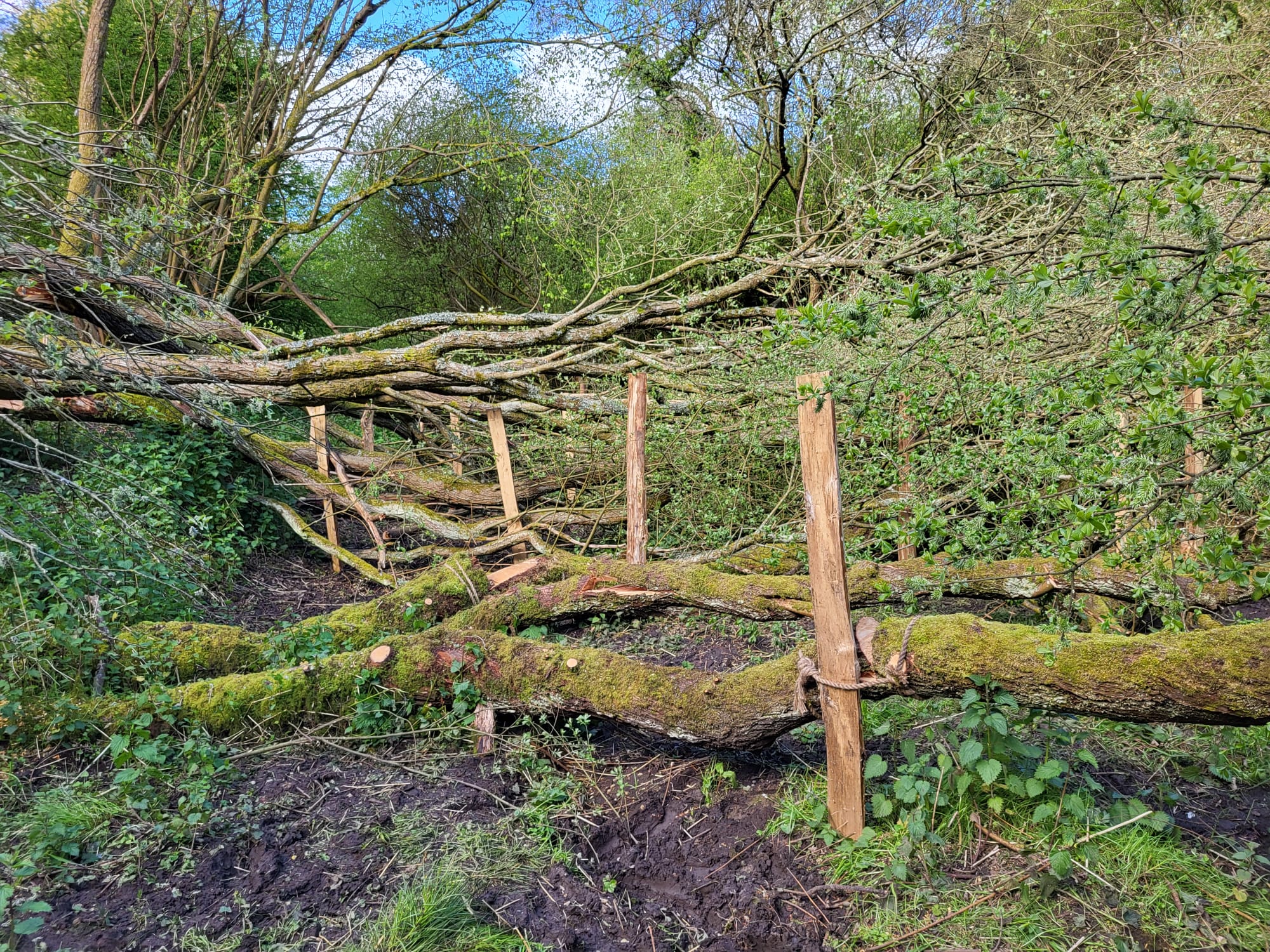
Another example is the natural flood management project at Littleworth Nature Reserve (pictured above), which is helping to reduce flood risk for communities downstream while creating environmental benefits and supporting local biodiversity.
Councillor Anne-Marie Simpson, Cabinet Member for Planning Policy (including Garden Communities) and Climate Action, said: “Through investment in renewable energy, nature recovery, staff training and community engagement, the council continues to make significant progress towards a more sustainable and nature-rich future for residents, businesses and wildlife alike.
“We are proud of the progress we have made over the past year, from exceeding national targets for land managed for nature to supporting local organisations that are leading climate action in their communities. Together, these projects are helping to create a healthier, greener and more resilient South Oxfordshire for future generations.”
Notes to editors


